
Ahead of the polls opening for the December 7 election, Chief Nick Spann of the North Sabine Fire District details the many upgrades the district has made over the past few years and how they try to remain a good steward of taxpayer money.
For those unaware, the District serves emergency response services for Wards 5-10 of Sabine Parish. They operate 16 stations with a fleet of 42 vehicles and serves the communities of Aimwell, Bayou Scie, Belmont, Blue Lake, Converse, Ebarb, Hotwells, Noble, Pleasant Hill, Union Springs, and Zwolle. Among the many services they’re trained for and offer assistance with is fire suppression, vehicle extraction, emergency medical, and hazardous material response.
“Through a lot of hard work, the district received a Class 4 Fire Protection Rating earlier this year,” Spann told the Index. “This rating allows insurance premiums for businesses and residences to be lower than those with a lesser rating.”
Being conscious of the power that the millage tax gives him, he also points to a positive that one rarely sees from governmental entities: That of rolling back the collected tax rate to that of one 40 years ago. The Class 4 protection rating is also above the average rating of 6, which most volunteer districts in the state hold.
“We don’t take our obligations with taxpayer money lightly,” he said. “With careful planning we are able to self-reduce the amount of taxpayer money we need, allowing us to roll back to the 1985 rates instead of rolling the millage forward and getting the same amount, while the taxpayers would actually be paying more. As far as I know we’re the only public entity in the area to be able to do this while still providing a professional level of service.”
In 2020, North Sabine started having firefighters on 12-hour shifts, before moving to having staff 24 hours a day in 2021.
“We may have firefighters at the station 24/7, but the true backbone of the district are our volunteers” Spann said. “Without them we simply don’t operate. They are the ones we’re the most thankful for.”
Spann points out that volunteer numbers are down since the COVID-19 threat, and that he’s hopeful more will join back in the near future.
“The station is always open to those who are interested in helping to build a safer Sabine,” Spann said.
The tax money is necessary for the district’s operation, as it allows to have certified firefighters and EMTs on duty 24 hours a day and seven days a week.
One of the best ways to display the professionalism of the district is through their state-ofthe- art training facilities and new firehouse.
The creation of both was a labor of love for Spann, who toured similar facilities to make sure the local offering was among the best out there.
The training ground is the only one in the state to have train derailment as a major feature.
“The railroads are an important part of this area’s industry and being able to handle any problems that arise because of it was a focus of the training area,” he said. “Other agencies from around the state have come here due to its creation. We also stay actively educating the communities we serve, educating around 10,000 people annually on fire prevention and safety at schools, festivals, and events.”
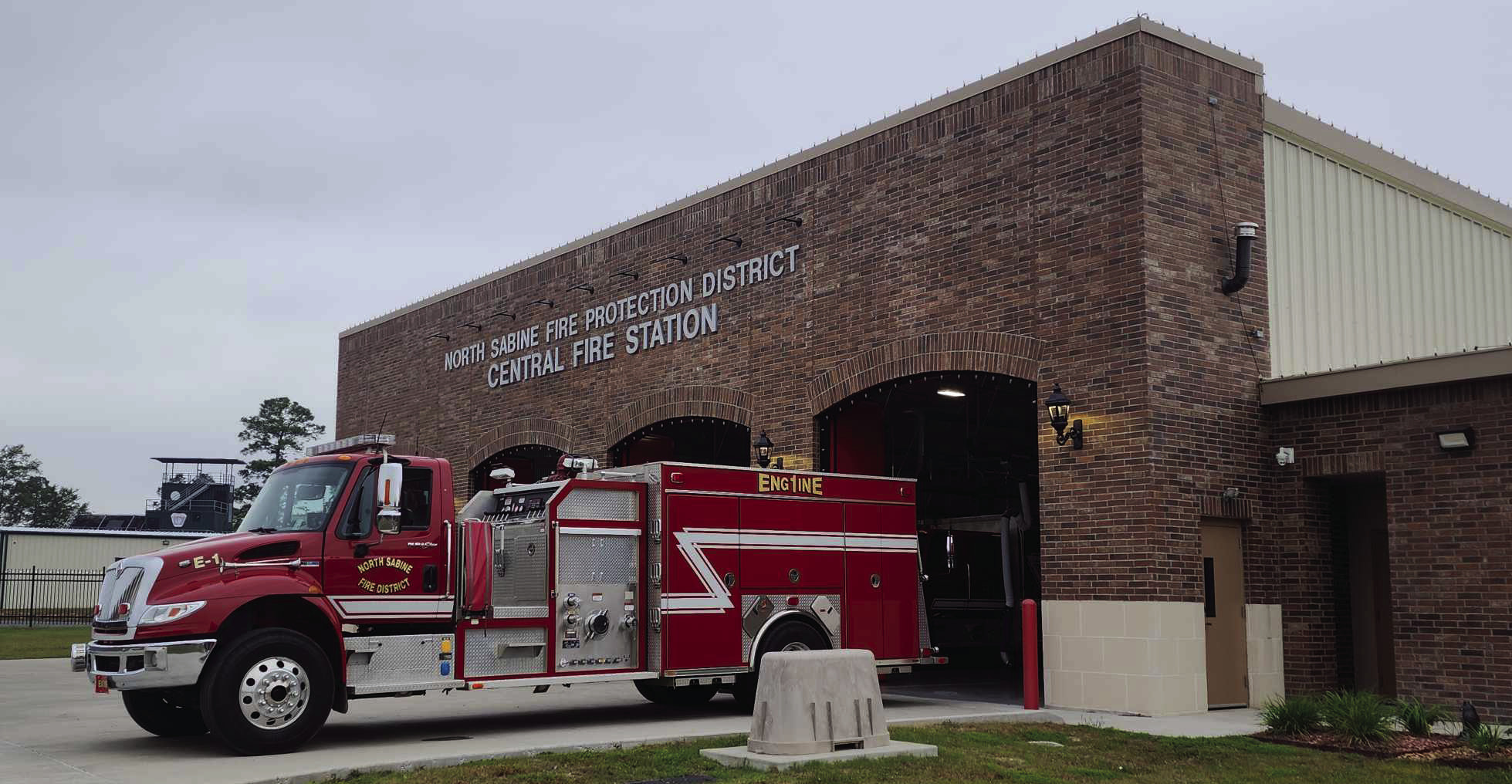
Their newest addition is the firehouse, which has been in operation for three years now and can easily be called one of the best in the state.
“The entirety of our old fire station can fit into the engine bay of the new one,” Spann states.
The station has a number of unique features that, as mentioned before, were borrowed from what works for other departments.
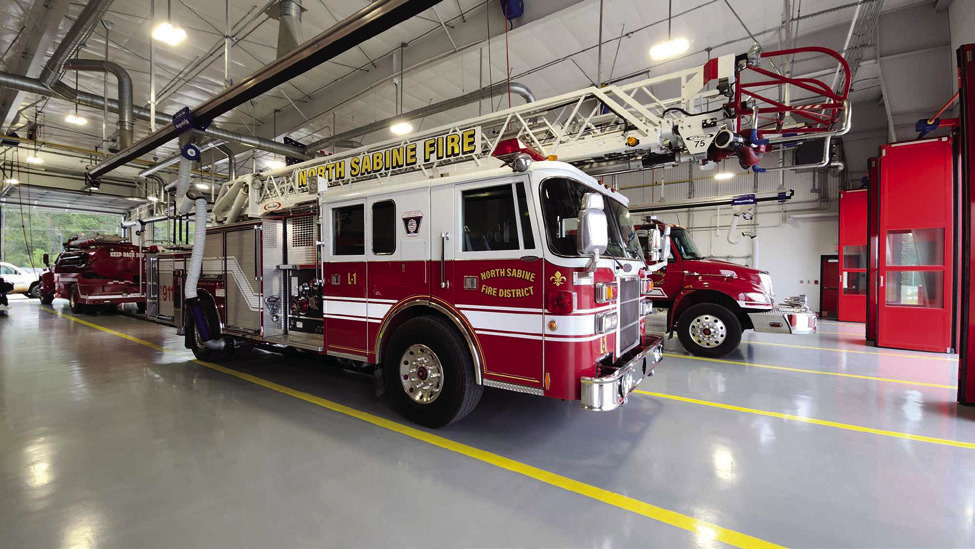
One instance of that is the engine bay itself, which has an advanced venting system that captures 100 percent of the emissions emitted by the different trucks it holds.
“We can run our engines with the engine bay doors closed and our guys won’t be exposed to the carcinogens that vehicles emit,” Spann said.
According to studies by the Center for Disease Control and National Institute for Occupational Health and Safety, firefighters have a nine percent higher risk of being diagnosed with cancer and a 14 percent higher risk of dying from cancer than the general population. Cancer, more than the fires they battle, is actually the most dangerous threat to a firefighter’s health and safety today. Cancer is the cause of 66 percent of career firefighter line-of-duty deaths from 2002-2019, says the International Association of Fire Fighters. To contrast, other threats like heart disease were responsible for 18 percent of those deaths during the same period.
“We need to do all we can to protect these guys,” Spann told the Index. “This is a benefit that is definitely there, but one that is never seen.”
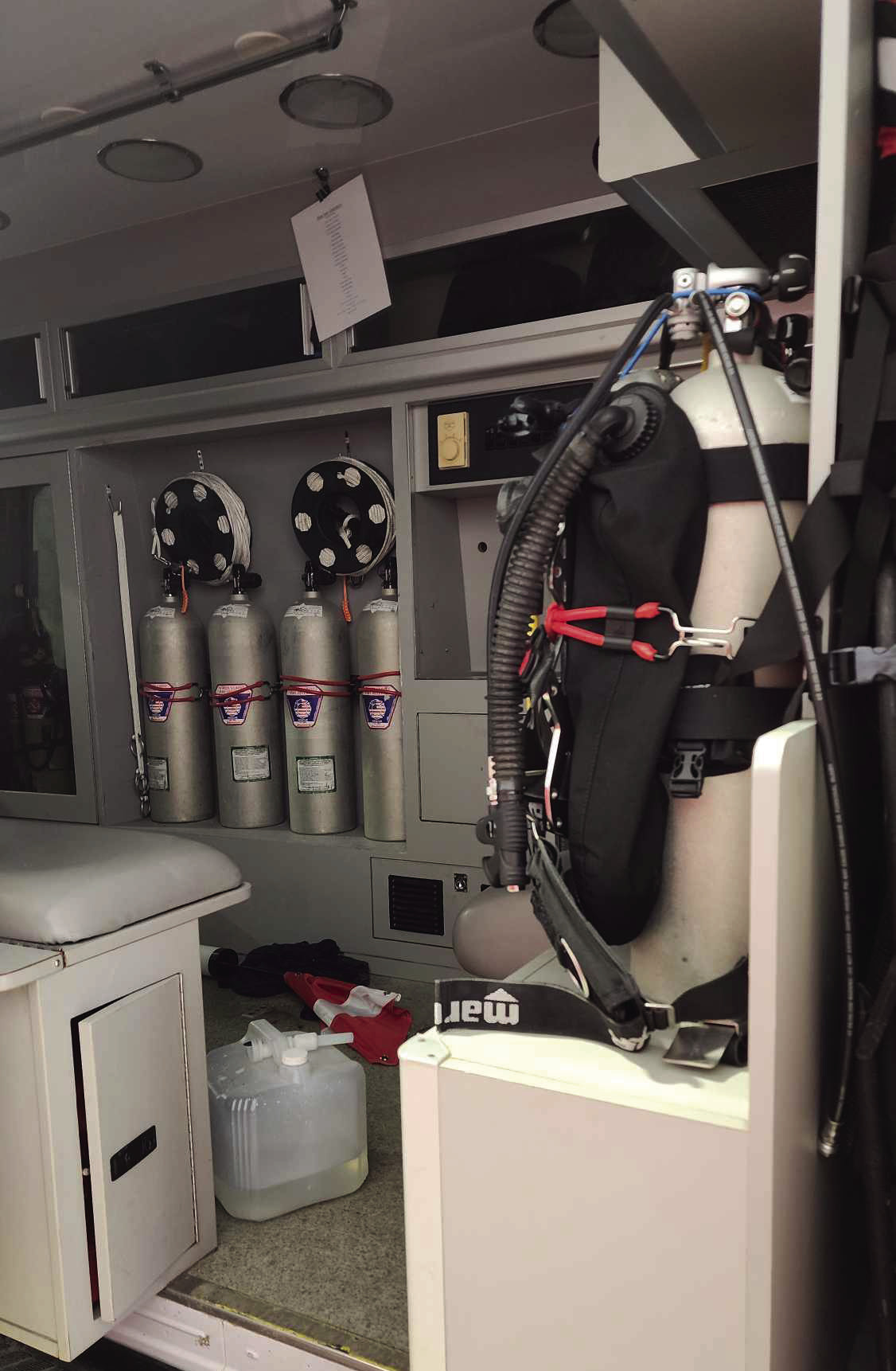
Contained in the engine bay are a number of modern emergency response vehicles that are kept stocked and ready the type of disasters and threats a district is going to be called out to. The local emergency dive team has a fully stocked van that can be deployed immediately to Toledo Bend or surrounding areas.
One of the newest acquisitions is their ladder truck, which was purchased at an absolute steal for $28,500 due to it being aged out of service in Michigan.
“We received this truck in ‘like new’ condition,” he said. “They put $12,000 worth of tires the summer previous to it being sold. There was no market for these trucks in Michigan so the savings were passed on to the district.”
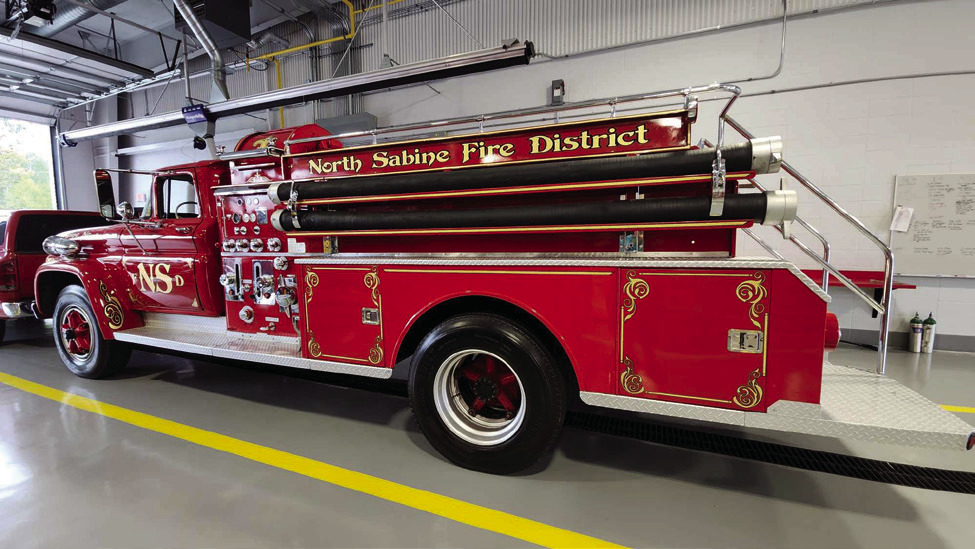
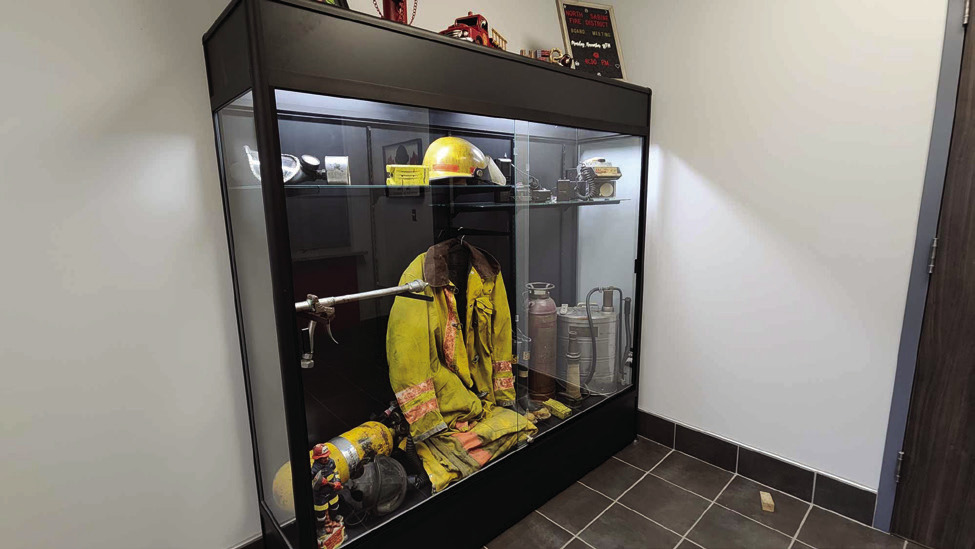
A vintage fire truck is also amongst the many others in the bay, which serves the public in a different way. It is a mainstay in local parades and has had several instances of carrying a firefighter to his final resting place following their untimely passing.
The modernity of the station is also apparent in the many other areas of the station.
“We call it a firehouse because for many of the firefighters here, it is their home away from home,” he said.
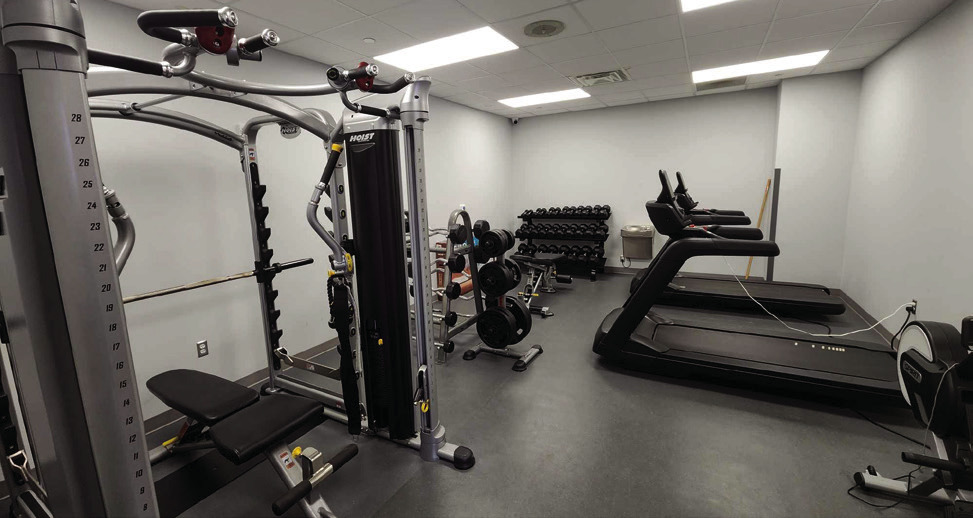
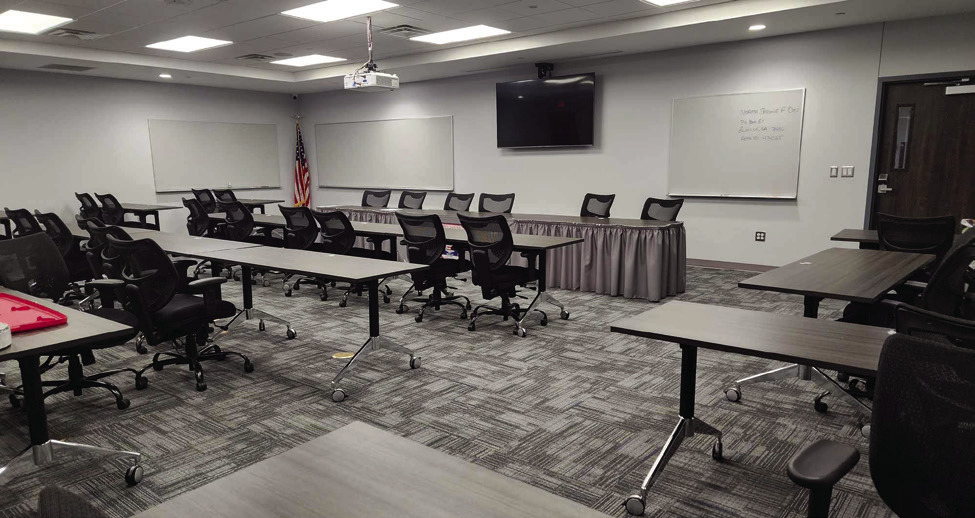
Although firefighters do spend a lot of time maintaining vehicles and equipment, they are present for long shifts at a time, which requires sleep and hygiene practices to be in effect. The firehouse houses numerous dorms both for those on duty plus the chief. There’s also showers, a gym to stay in top shape, and a full kitchen and entertainment area. On the other side of the engine bay from the dorms are full-service office and meeting areas. There are also rooms dedicated to equipment, maintenance, and refilling of the district’s life-saving equipment. Outside, a helipad offers easy access for extreme medical emergencies.
The district humbly asks for your vote on Dec. 7 to keep these measures in effect.